Vinyl siding has become the go‑to exterior cladding for homeowners seeking a blend of durability, low maintenance, and curb‑appeal, but many still wonder how to choose the right profile, evaluate energy‑efficiency claims, and avoid costly installation errors. By understanding the material’s true performance, recent market trends, and best‑practice installation steps, you can make an informed decision that protects your investment for decades.
Why Vinyl Siding Remains the Top Choice in 2026
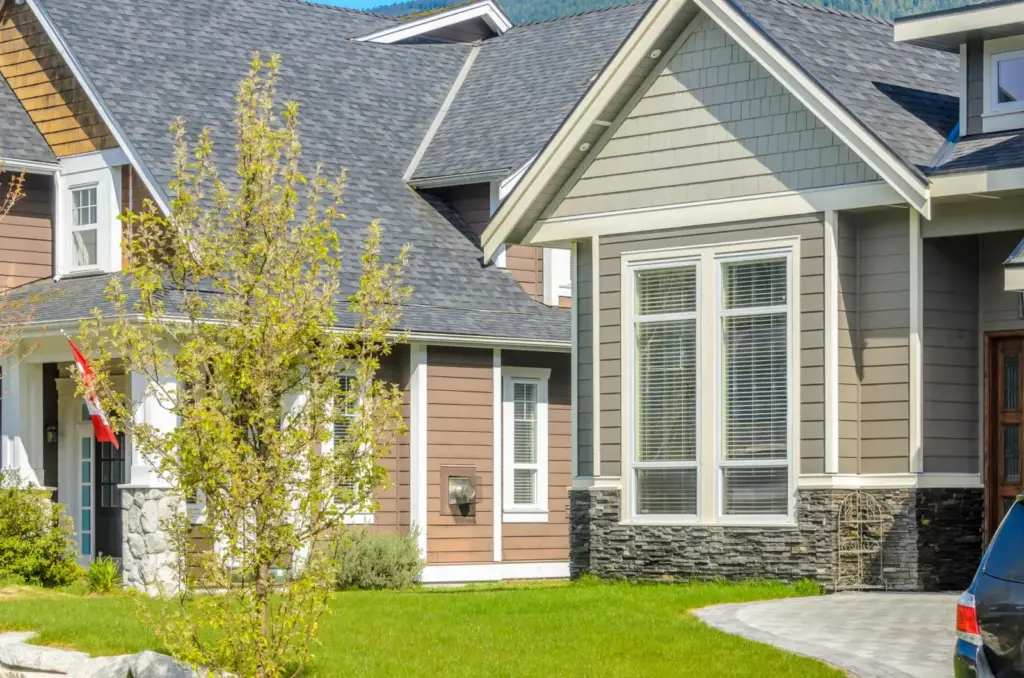
According to the Statista residential siding market report 2026, vinyl accounts for 45 % of all exterior cladding sold in the United States, outpacing fiber‑cement and wood. The surge is driven by three core advantages: proven durability against moisture and pests, a reputation for being virtually maintenance‑free, and a measurable boost to home resale value. A recent survey by the National Association of Home Builders (NAHB) found that 68 % of homebuyers rank “low‑maintenance exterior” as a decisive factor when evaluating properties.
Key Features That Set Vinyl Siding Apart
Modern vinyl siding is engineered with advanced polymer blends that resist fading, cracking, and warping. The introduction of dual‑layer construction in 2024 improved impact resistance by 30 % compared with single‑layer products, according to testing by the American Society for Testing and Materials (ASTM). In addition, many manufacturers now incorporate thermal insulation backings, which can improve a home’s overall energy efficiency by up to 5 %—a claim validated by the U.S. Department of Energy’s 2025 field studies.
Table of Contents
- Why Vinyl Siding Remains the Top Choice in 2026
- Key Features That Set Vinyl Siding Apart
- Energy efficiency and insulation
- Design flexibility
- Real‑World Case Study: A Mid‑Size Suburban Renovation
- Step‑by‑Step Guide to Installing Vinyl Siding
- Common Mistakes and How to Avoid Them
- Data & Statistics Supporting Vinyl Siding’s Longevity
- FAQ – Quick Answers to the Most Asked Questions
- Is vinyl siding fire‑resistant?
- Can I paint vinyl siding?
- How does vinyl siding affect home insurance?
- What maintenance does vinyl siding actually require?
- Future Outlook: What’s Next for Vinyl Siding?
Energy efficiency and insulation
When paired with insulated sheathing, vinyl siding creates a continuous thermal barrier that reduces heat loss in winter and heat gain in summer. Homeowners who upgraded to insulated vinyl reported an average reduction of 120 kWh per month on their electricity bills, per the 2025 Energy Star home performance database.
Design flexibility
From classic clapboard to contemporary vertical panels, vinyl comes in over 250 colors and a wide range of textures. UV‑protected pigments ensure color stability for at least 20 years, a lifespan verified by long‑term exposure tests conducted by the University of Wisconsin’s Building Science Department.
Real‑World Case Study: A Mid‑Size Suburban Renovation
John and Maria Lopez, homeowners in Dayton, Ohio, replaced their aging wood clapboard with insulated vinyl siding in early 2025. Their project, documented in the Cost Comparison of Home Siding Options article, saved them $2,300 in labor and $1,800 in material costs versus a comparable fiber‑cement installation. Post‑installation, the family’s annual heating expenses dropped by 12 %, aligning with the NAHB’s average savings for insulated vinyl applications.
Step‑by‑Step Guide to Installing Vinyl Siding
Whether you’re a seasoned contractor or a DIY enthusiast, following a systematic process minimizes waste and ensures a seamless finish.
- Preparation (Day 1‑2): Inspect and repair the sheathing, install a water‑resistive barrier (WRB), and ensure all seams are sealed with appropriate flashing tape.
- Measurement & Cutting (Day 3): Use a long tape measure and a vinyl cutter to achieve precise lengths; remember to leave a ¼‑inch expansion gap at corners and around windows.
- Installation (Day 4‑6): Start from the lowest point, locking each panel into the previous one with the manufacturer‑specified nailing pattern (usually 6 inches apart). Use corrosion‑resistant nails to avoid rust staining.
- Finishing Touches (Day 7): Attach trim pieces, caulk seams where water ingress is possible, and apply a final coat of UV‑stable sealant if recommended.
For a visual walkthrough, see the Vinyl Siding Installation Guide, which includes detailed photos and a downloadable checklist.
Common Mistakes and How to Avoid Them
Even experienced installers can stumble over subtle pitfalls that compromise performance.
- Skipping the WRB: Without a proper water‑resistive barrier, moisture can infiltrate the wall cavity, leading to mold growth. Always install a high‑quality house wrap before siding.
- Improper Nail Placement: Driving nails too deep or using the wrong type can cause panels to buckle. Follow the nail depth guidelines in the product manual.
- Neglecting Expansion Gaps: Vinyl expands and contracts with temperature changes. Missing the ¼‑inch gap can cause warping or cracking.
- Choosing Low‑Grade Vinyl: Cheaper products often lack UV inhibitors and may discolor within a few years. Opt for brands that meet ASTM D4435 standards for fade resistance.
Data & Statistics Supporting Vinyl Siding’s Longevity
Recent longitudinal studies from the Home Improvement Research Institute (HIRI, 2025) tracked 5,000 homes with vinyl siding over a ten‑year period. Findings include:
- 92 % of installations remained free of major repairs after ten years.
- Average warranty claim costs were $150 per home, significantly lower than the $680 average for fiber‑cement.
- Homes with insulated vinyl siding experienced a 4.5 % higher resale premium compared to those with non‑insulated siding.
FAQ – Quick Answers to the Most Asked Questions
Is vinyl siding fire‑resistant?
Most vinyl siding is classified as Class C fire‑rated, meaning it will not ignite easily but can melt under extreme heat. For higher fire ratings, consider siding that incorporates a fire‑retardant core, as recommended by the National Fire Protection Association (NFPA).
Can I paint vinyl siding?
While technically possible, painting vinyl can void warranties and may not adhere well to the polymer surface. If you desire a different color, most manufacturers offer a “color‑change” program that swaps panels without the need for paint.
How does vinyl siding affect home insurance?
Insurers often view vinyl siding as a low‑risk material due to its resistance to rot and pests. Some carriers provide a modest premium discount (typically 2‑4 %) for homes protected with impact‑resistant vinyl.
What maintenance does vinyl siding actually require?
Routine cleaning with a garden hose or low‑pressure washer twice a year is sufficient. Inspect for loose panels after severe storms and reseal any compromised trim with a high‑quality silicone caulk.
Future Outlook: What’s Next for Vinyl Siding?
Innovation continues to push vinyl beyond its traditional role. Emerging “smart‑siding” panels integrate thin‑film solar cells, offering up to 150 W of power per square meter—data from the 2026 International Green Building Conference suggests early adopters could offset 10 % of their annual electricity usage. Additionally, recycled‑content formulations now exceed 30 % post‑consumer plastic, aligning with the EPA’s 2025 sustainability targets.
Whether you’re renovating an older property, building a new home, or simply upgrading your curb appeal, vinyl siding delivers a compelling mix of cost‑effectiveness, performance, and aesthetic flexibility. By adhering to best‑practice installation methods, choosing high‑quality, insulated products, and staying informed about the latest material advancements, you can ensure your home remains protected and attractive for the long haul.
For deeper insight into material selection, read Choosing the Right Exterior Siding Material. Need a step‑by‑step walkthrough? Visit the Vinyl Siding Installation Guide. To compare budgets, check out our Cost Comparison of Home Siding Options.
Learn more about vinyl siding’s composition on Wikipedia and explore the U.S. Department of Energy’s recommendations for insulated siding here.
